
Recipes
Tyrolean superfood: Graukäse and goat's cheese
Graukäse is to the Tyroleans what Parmigiano is to the Italians and Camembert is to the French. With the subtle difference that this speciality is almost completely unknown outside Tyrol.
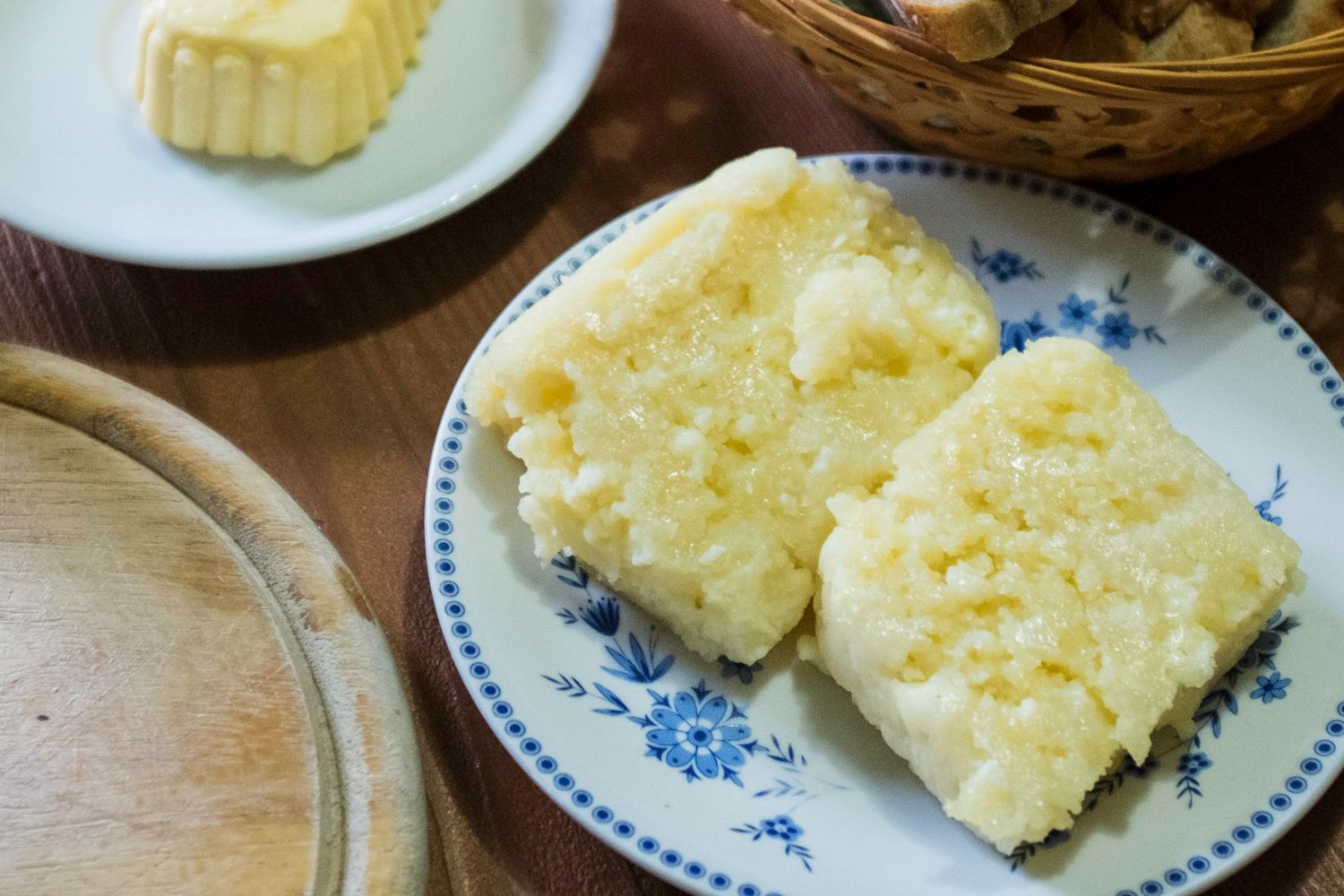

‘Superfood’ is a buzzword we hear everywhere these days. The term describes foods that have a positive effect on health. Chia seeds and goji berries from the tropics are flown half way around the world, yet there are many products right here on our doorstep that are just as healthy. One of these is ‘Graukäse’ (literally: ‘grey cheese’), a low-fat and very tasty sour milk cheese. Despite its somewhat unappetising name, it is loved here in Tyrol and deserves to be much better known elsewhere.
"If you like strong cheese but don't want to eat a lot of fat, then grey cheese is ideal," says Stefan Kranebitter. The cheese sommelier sells cheese specialities in the Innsbruck Market Hall. This Tyrolean delicacy has only one per cent fat, but one bite is enough to cover a large part of your daily protein requirement. Grey cheese is also lactose-free, which makes it attractive for people with intolerances.
In Tyrol, grey cheese has been part of rural cuisine for centuries. It was created out of necessity. On farms, milk has always been skimmed to make butter. Most of the butter was sold, leaving behind the skimmed milk. This was left to sour, then heated, salted and pressed into wooden moulds. The mixture was allowed to mature for another two to three weeks and voilà - you have grey cheese.
Tyrolean grey cheese is made from lean milk given by cows reared on silage-free feed. It is coagulated not with rennet, like most cheeses, but instead with lactic acid bacteria. Grey cheese used to be a poor man's food - the skimmed milk used to make it was available in abundance. Today, Tyrolean grey cheese is considered a delicacy and its name is protected by law.
"Visitors from out of town sometimes ask me whether this is cheese at all," says Stefan Kranebitter with a wry smile. The appearance of this delicacy is, you could say, somewhat unusual. Shortly after it is made, grey cheese has a crumbly appearance. As it matures, however, the consistency becomes smoother and darker. From the outside in, a greyish layer forms, which gives the cheese its name. While many Tyroleans love this cheese dearly, it has an uncommon taste which many newcomers first have to get to grips before they can start to truly enjoy it.
"It depends very much on how long the cheese has been left to mature. Immature grey cheese is mild and tastes good to many people. Really old, greasy grey cheese is a more acquired taste. But it is definitely a cheese for everyone and I sell it to people from all over the world," says the cheese sommelier. The cellar-matured, blue-moulded variety, which is produced in the Zillertal Valley, is considered particularly intense.
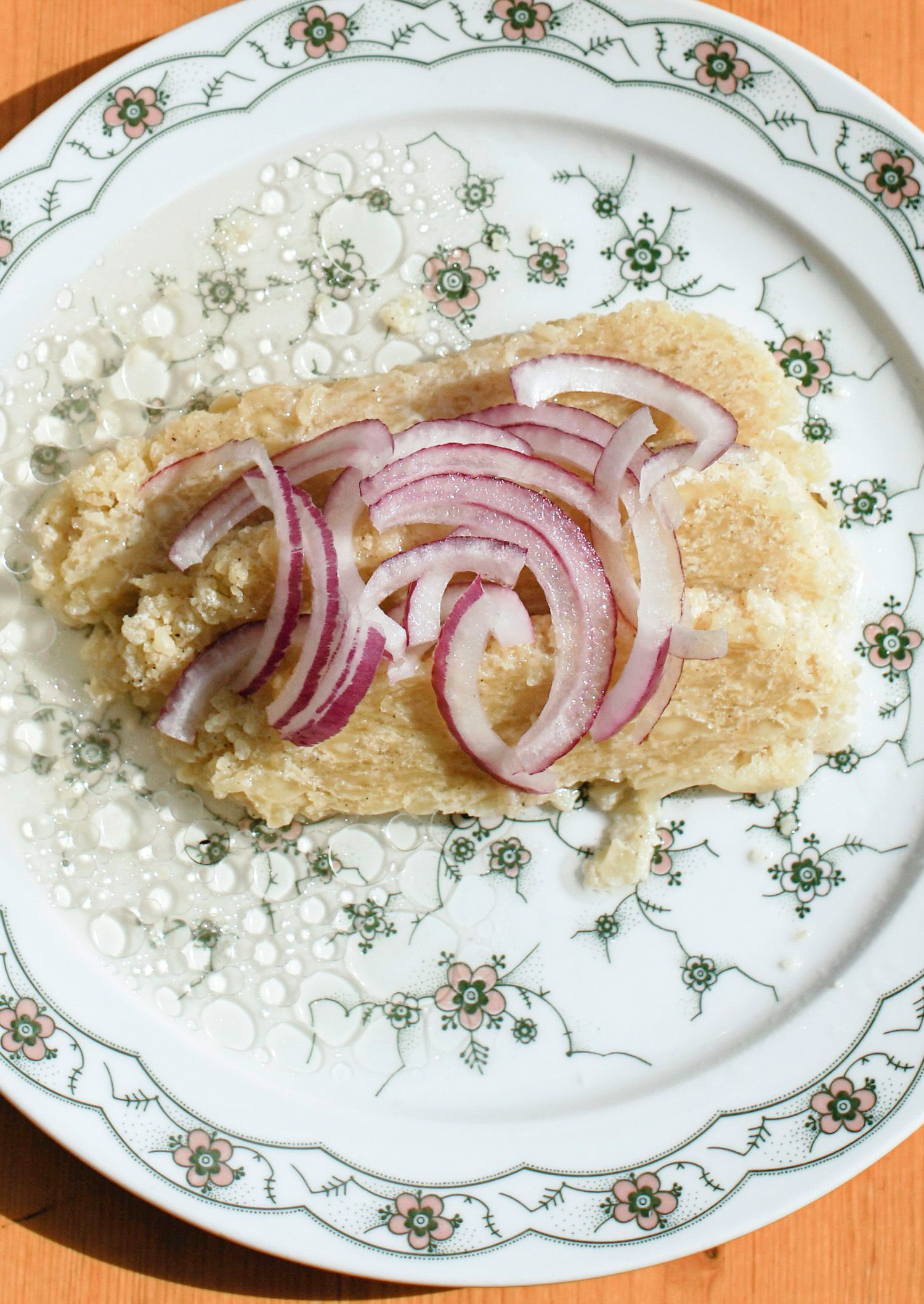
"Grey cheese was made to recycle leftovers. But even at the end of the process, there is still some whey left over," explains Stefan Kranebitter. The rest of the leftovers are flavoured again, pressed and matured for three months. The result is "Zieger", a small, brown ball that packs a punch. Similar to Parmesan, it is ideal for seasoning and grating.
On cheese spaetzle, dumplings or for soups and sauces, this hard and tangy cheese is ideal. However, the odour is so intense that it must always be stored well packaged. Zieger has almost no liquid content and can therefore be kept for a long time.